Industry · Nonprofit
AI for nonprofits: maximize impact, not overhead
Lean development teams cannot manually steward every donor, chase every grant deadline, and schedule every volunteer. We automate the routine 75% — integrated with Salesforce Nonprofit Cloud, Bloomerang, and DonorPerfect — so giving grows 10 to 15% while overhead does not.
Build fee
One-time · $7,500
Ongoing
$30–$150/mo (AI direct)
Live in
30 days
Ownership
Yours, forever
The friction
Where nonprofit teams lose their week
Donor relationships go cold in the gaps
01Attrition happens between touchpoints. Acknowledgments go out late, lapsed donors slip away unnoticed, and your team only has bandwidth for the top 50 names on a list of 5,000.
Grant deadlines run on memory
02Funder research, application deadlines, compliance documentation, and reporting requirements live in spreadsheets and inboxes. One missed deadline costs more than a year of software.
Volunteer coordination is chaos
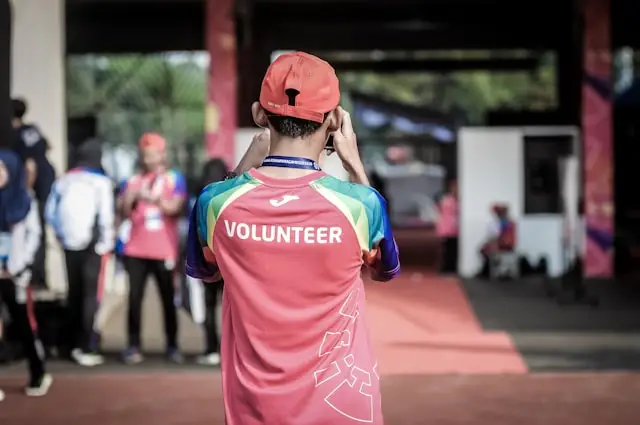
03Recruitment, onboarding, shift scheduling, hour tracking, and recognition all run manually. Volunteers who get a disorganized experience do not come back.
You own a CRM you barely use
04Most nonprofits use about 20% of what Salesforce Nonprofit Cloud can do. The automations, reports, and workflows you need are already paid for — they are just not turned on.
10-15%
FUNDRAISING REVENUE INCREASE
75%
LESS MANUAL OUTREACH
3-6
MONTHS TO PAYBACK
Use cases
What we automate for nonprofit
Donor stewardship automation
01Gift acknowledgments within 48 hours, personalized update sequences, milestone recognition, and lapsed-donor re-engagement — donor lifetime value rises around 25%.
Fundraising outreach automation
02Intelligent campaign sequencing and recurring-gift optimization cut manual outreach by 75% while response rates improve.
Grant pipeline automation
03AI-assisted funder matching, deadline tracking, compliance documentation, and reporting workflows. Staff write the narrative; the system handles the logistics.
Volunteer coordination
04Automated recruitment outreach, onboarding, shift scheduling, reminders, hour tracking, and recognition — volunteer retention improves about 35%.
Board and impact reporting
05Real-time dashboards and presentation-ready reports on program outcomes and fundraising progress, generated automatically before every board meeting.
Nonprofit CRM optimization
06Unlock the Salesforce Nonprofit Cloud, Bloomerang, or DonorPerfect capacity you already pay for — automations, reports, and workflows configured to your programs.
Five phases. Thirty days to live.
Our process →01
Discover
Ops audit, process maps, ROI ranking.
02
Design
Architecture and tool picks — approved first.
03
Build
Constructed and tested against every edge case.
04
Launch
Deployment, training, real adoption.
05
Optimize
Monitoring, monthly reports, new wins.
Questions
Nonprofit automation — FAQ
Can a small nonprofit afford this?
Yes — the pricing model is built for it. Builds start at $7,500 one-time with no recurring SaaS subscription, live in about 30 days, with payback in 3 to 6 months. Compare that to a development associate hire at $45,000+ per year.
Do you work with Salesforce Nonprofit Cloud?
Yes, and most clients only use about 20% of it. We unlock the automations, reports, and workflows already in your system, and we also integrate Bloomerang, DonorPerfect, Raiser's Edge, Little Green Light, and EveryAction.
How does automation reduce donor attrition?
Attrition is mostly a communication-gap problem. Automated acknowledgments, personalized updates, and renewal reminders keep relationships warm, while AI flags at-risk donors for personal attention before they lapse.
Which automations should a development director build first?
Five with the fastest return: gift acknowledgment within 48 hours, personalized stewardship sequences, lapsed-donor re-engagement, major-gift prospect identification, and board-ready reporting. Most of these are live within the first 30 days.
What are practical uses of AI automation in a nonprofit?
Donor acknowledgement and receipting that goes out the same day. Grant deadline tracking and document assembly. Volunteer intake and scheduling. Programme intake forms completed and validated before a case worker sees them. Board reports built from the systems rather than by hand. The common thread is small, repeated administrative work that competes with the mission for the same hours.
How can AI help nonprofits with fundraising and donor management?
By making the follow-through consistent. Every gift acknowledged on time, lapsed donors surfaced before they are lost, recurring-gift failures recovered with a polite sequence, and segment-appropriate updates going out on a cadence rather than when someone finds time. The relationship stays human; the cadence around it stops depending on memory.
How can a nonprofit keep donor data private when using AI?
Keep your own API keys so data goes only to a provider you have vetted, never through a vendor's shared account. Give any AI step the narrowest access that does the job. For sensitive programme data, the same workflows can run fully self-hosted so nothing leaves infrastructure you control. And write a one-page rule about what may never be pasted into a public tool.
Keep exploring
Free resources
Other industries
Where we go from here
Ready to automate your nonprofit business?
Thirty minutes, no pitch deck. We map your operations, find the friction, and show you where automation actually earns its keep. If there's no fit, we'll say so.
No subscription.
No lock-in.
No surprise invoices.
Or start smaller — the $500 pilot · strategy audit